


On September 15, 2026, the "Value Reconstruction Wisdom New Chapter -2026 Chinese Enterprise Sustainable Development Action Conference" hosted by China Business News was held in Beijing. The conference focused on green transformation and digital intelligence empowerment, bringing together guests from all walks of life, government, industry, academia and research, and conducted in-depth discussions on topics such as the coordinates of the era of sustainable development, carbon reduction in the whole chain, ESG upgrading, and benchmarking practices. The conference released the "sustainable competitiveness-corporate brand and value case". China Classification Society Quality Certification Co., Ltd. (CCSC) was invited to attend, ESG business center general manager Zhu Ying in the round table dialogue session.
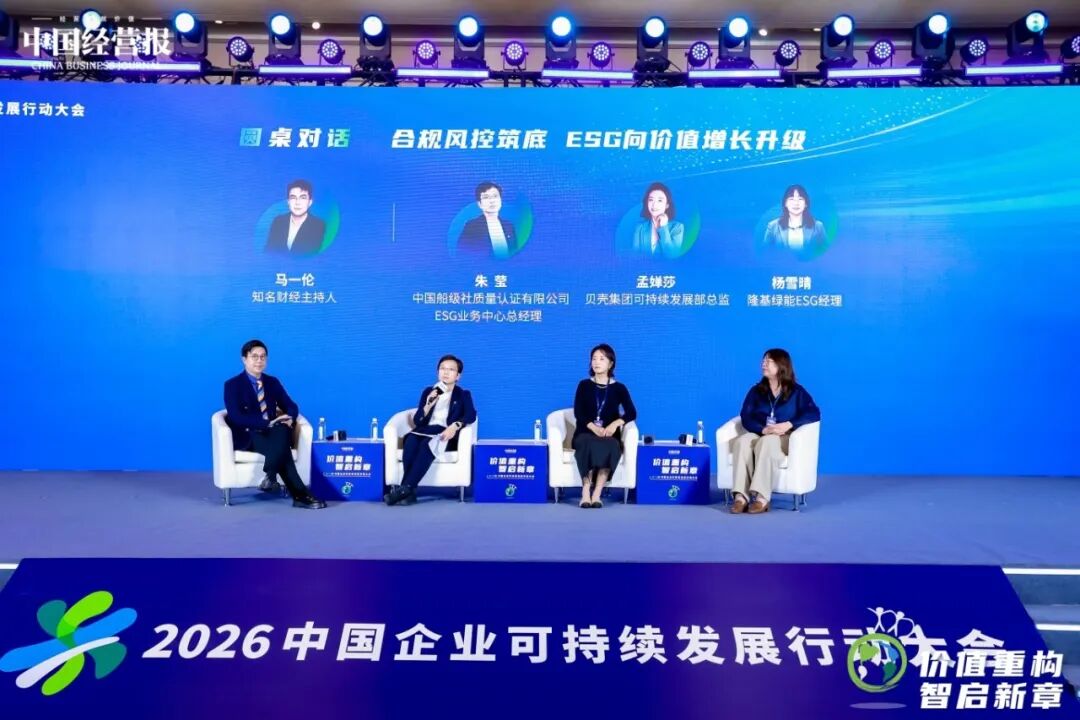
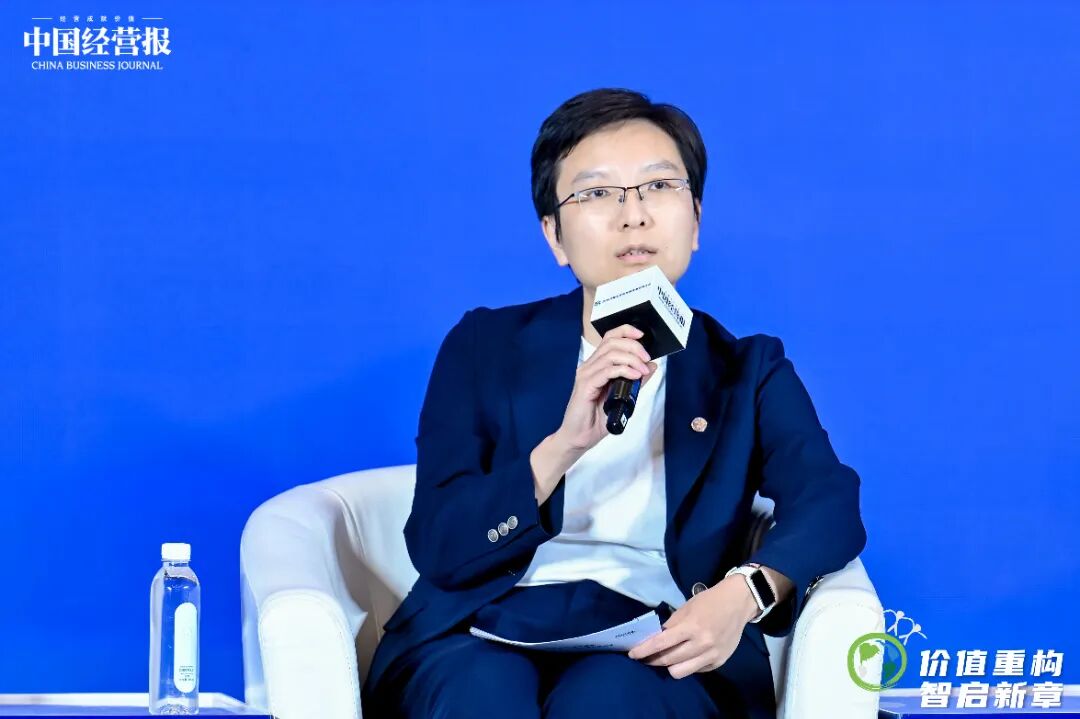
In the round table dialogue, Zhu Ying, general manager of CCSC ESG Business Center, and representatives from Shell Group, Longji Green Energy and other enterprises held a dialogue on "Beyond Compliance: ESG from Risk Control to Value Growth Pole. She said that in the early stages of ESG management, external regulatory requirements or compliance requirements of the supply chain master transmission often remain at the superficial level, with limited impact on internal operations, which is why some enterprises have "ESG compliance action, no incremental operation" phenomenon.
The key to truly creating value in ESG management is to shift from passive compliance to active integration into operations. Based on this judgment, Zhu Ying put forward three suggestions: to strengthen environmental performance management with carbon as the core, to establish a responsibility transmission mechanism covering the supply chain, to incorporate ESG management into the scope of supply chain management, and to internalize ESG requirements into performance appraisal and other systems in internal operations.
When it comes to ESG ratings, Zhu Ying believes that the current rating methods are mostly negative list deductions, and it is difficult for companies with excellent performance to reflect their advantages. As ESG management matures, the rating system is expected to introduce an add-on mechanism that will allow companies that continue to invest to get higher scores and create positive incentives.
Green is becoming the background color of development, and sustainability is becoming a long-term choice for enterprises. For enterprises, transforming ESG requirements into real operating capabilities is not only a practical need to respond to domestic and foreign regulatory and market changes, but also an inevitable choice for high-quality development; zooming to a larger scope, green and low-carbon transformation Speed up is related to the common process of global sustainable development.
China Classification Society Quality Certification Co., Ltd. (CCSC) takes ESG service as the core and can provide one-stop and customized comprehensive services for enterprises. Its business covers ESG management improvement, ESG report preparation and independent verification, sustainable financial product evaluation and certification, etc., and extends to greenhouse gas management system certification, carbon footprint, green manufacturing system evaluation, green supply chain management and other supporting services around the double carbon target, covering the entire chain of green transformation of enterprises, it helps enterprises to transform sustainable development requirements into executable and measurable management practices.
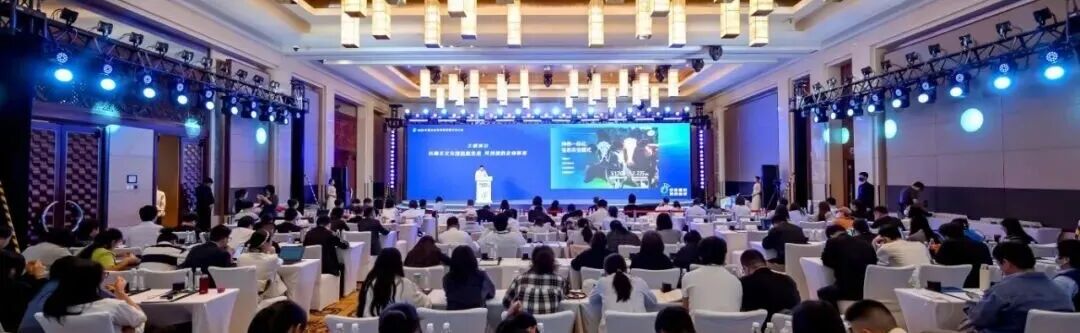
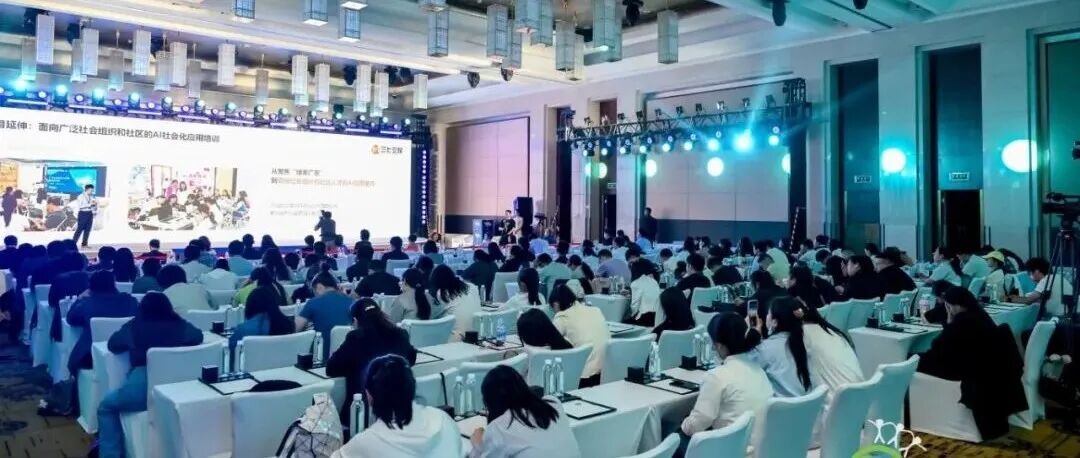
At the meeting, Chen Yanbin, director of the Institute of Industrial Economics of the Chinese Academy of Social Sciences and deputy secretary of the party committee, and Li Pengfei, president and editor-in-chief of China Business News, attended the meeting. Yang Kaizhong, member of the Chinese Academy of Social Sciences and academician of the International Eurasian Academy of Sciences, gave a speech on "Value Reshaping-The Coordinates of Chinas Sustainable Development. Leaders of various enterprises shared their views on topics such as sustainable supply chain, green consumption and intelligent computing, or introduced their exploration of carbon management, sustainable operation and new value of digital economy.